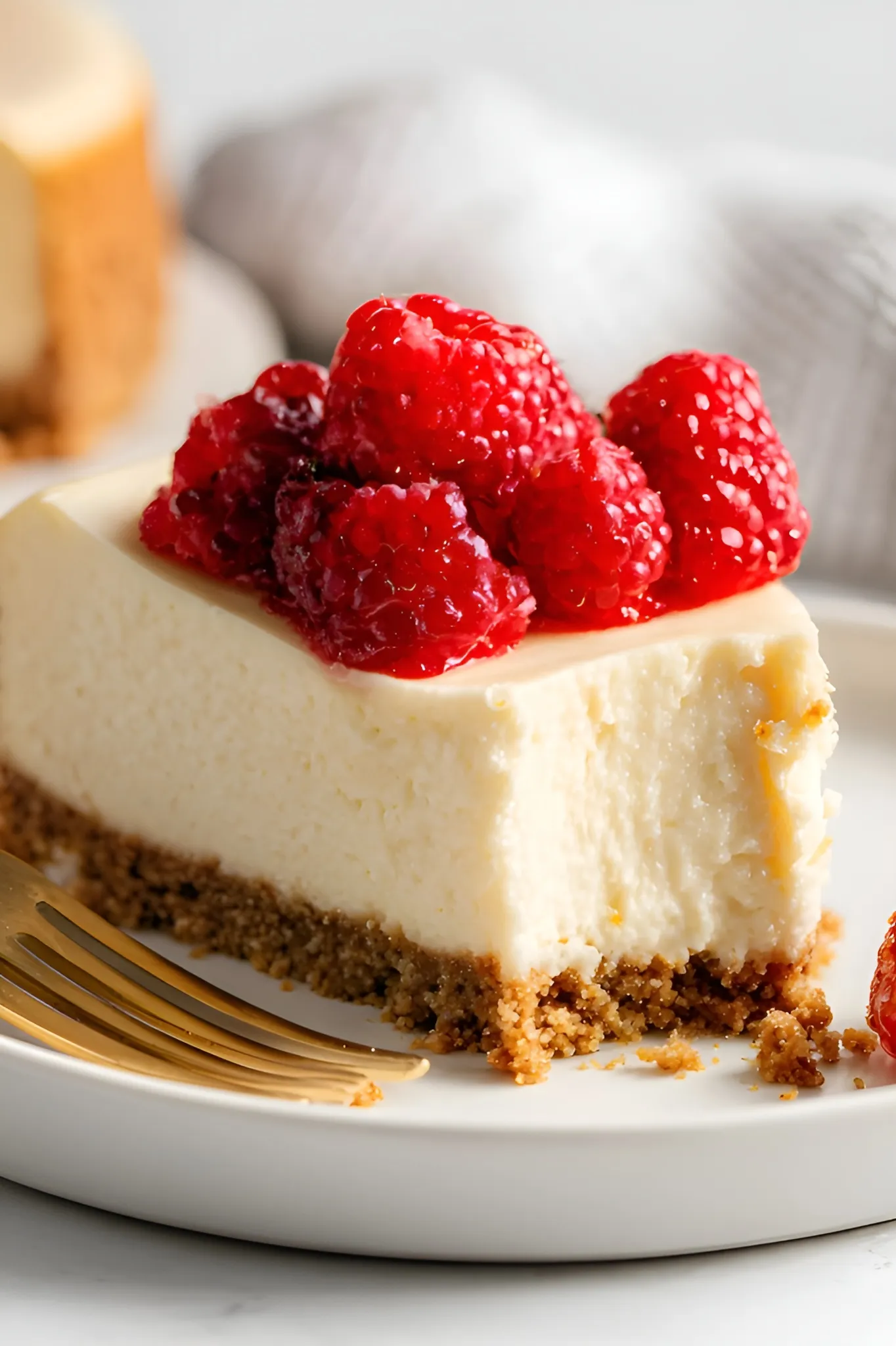
Indulging in dessert doesn't always have to mean derailing your health goals. What if we told you there's a decadent, creamy treat that not only satisfies your sweet tooth but also packs a protein punch and is significantly lighter than its traditional counterpart? Enter the healthy cottage cheese cheesecake – a culinary revelation that's rapidly gaining popularity among health-conscious foodies.
This isn't your grandma's dense, super-sweet cheesecake. This innovative dessert transforms humble cottage cheese into a smooth, rich filling that tastes incredibly luxurious, all while offering superior nutritional benefits. Forget the guilt associated with conventional cheesecakes; with a few smart substitutions and a clever approach, you can enjoy a slice of pure bliss that aligns perfectly with a balanced lifestyle. Whether you're counting calories, boosting protein intake, or simply seeking a more wholesome dessert option, the healthy cottage cheese cheesecake is an absolute game-changer.
Why Cottage Cheese is Your Secret Weapon for a Healthy Cheesecake
The star ingredient in this healthier cheesecake isn't just a substitute; it's an upgrade. Cottage cheese brings a unique set of nutritional advantages to the table that traditional cream cheese simply can't match. It's the foundation upon which your guilt-free indulgence is built.
The Protein Powerhouse
One of the most compelling reasons to choose cottage cheese for your cheesecake is its impressive protein content. Per serving, cottage cheese typically contains significantly more protein than cream cheese, making your dessert not just a treat but also a satiating snack. Protein is vital for muscle repair, growth, and keeping you feeling full longer, which can help prevent overeating later. This means a slice of healthy cottage cheese cheesecake can actually contribute positively to your daily protein goals, something rarely said about dessert!
Low-Fat, High-Flavor Base
Traditional cheesecakes often rely on full-fat cream cheese, which can be high in saturated fat and calories. Cottage cheese, especially its low-fat or fat-free varieties, offers a fantastic alternative. When blended until smooth, it mimics the creamy texture of cream cheese without the added fat. This allows you to enjoy the rich, tangy flavor of cheesecake while keeping your fat and calorie intake in check. It's a testament to how intelligent ingredient swaps can transform a dish without sacrificing taste.
Nutrient-Rich Profile
Beyond protein and lower fat, cottage cheese is also a good source of essential nutrients like calcium, phosphorus, and B vitamins. Calcium is crucial for bone health, while phosphorus plays a role in energy metabolism. By incorporating cottage cheese, your dessert contributes more than just empty calories; it delivers valuable micronutrients too.
- High in Protein: Supports muscle health and satiety.
- Lower in Fat & Calories: A lighter alternative to traditional cream cheese.
- Rich in Calcium: Good for bone health.
- Versatile Texture: Blends smoothly to mimic conventional cheesecake.
Crafting Your Perfect Healthy Cottage Cheese Cheesecake: Key Ingredients & Swaps
Making a truly wholesome and delicious healthy cottage cheese cheesecake involves thoughtful choices from crust to topping. Here’s how to select your ingredients to maximize health benefits without compromising on flavor or texture.
The Crust: Lightening Up the Base
The crust can be a hidden calorie bomb. Opting for lighter, nutrient-dense ingredients is crucial. You have several excellent options:
- Whole Wheat Graham Cracker Crust: Reduce the amount of sugar and butter typically used. You can even swap butter for a healthier fat like coconut oil (in moderation) or a small amount of unsweetened applesauce for moisture.
- Oat & Nut Crust: Combine rolled oats, chopped almonds or walnuts, a touch of maple syrup or date paste for sweetness, and a small amount of coconut oil. This adds fiber, healthy fats, and extra protein.
- Gluten-Free Options: For those avoiding gluten, almond flour or ground gluten-free oats mixed with a sweetener and a healthy fat work wonderfully.
The Filling: Achieving Creamy Perfection
This is where the magic happens. The key is to transform the typically lumpy cottage cheese into a silken, smooth filling.
- Cottage Cheese: Use low-fat (1% or 2%) or fat-free cottage cheese. The most crucial step is to blend it thoroughly in a food processor or high-speed blender until it’s completely smooth, with no curds visible. This step is non-negotiable for a creamy texture!
- Greek Yogurt: A fantastic addition! Plain Greek yogurt (full-fat or low-fat) adds extra protein, a lovely tang, and contributes to the ultra-creamy consistency. It also helps replace some of the richness lost by using lower-fat cottage cheese.
- Natural Sweeteners: Ditch refined sugar. Instead, opt for natural, low-calorie sweeteners like erythritol, stevia, monk fruit, or a modest amount of maple syrup, honey, or agave nectar. Adjust to your desired sweetness level.
- Eggs: Essential for structure and binding the cheesecake. Use whole eggs and an extra egg white if you want an even lighter texture.
- Flavor Enhancers: Don't forget the classics! Pure vanilla extract is a must. Lemon zest can add a beautiful bright note that complements the tanginess of the cottage cheese. A pinch of salt also helps to balance the flavors.
Practical Tip: For more insights on making your dessert truly wholesome, explore our healthy cottage cheese cheesecake - Article 2, which delves deeper into ingredient substitutions and their impact on nutrition.
Tips for a Flawless, Guilt-Free Bake
Even with the right ingredients, baking a cheesecake requires a little finesse. Follow these tips to ensure your healthy cottage cheese cheesecake turns out perfectly every time.
The Blending Process
As mentioned, blending the cottage cheese until absolutely smooth is paramount. Don't rush this step. Blend for several minutes, scraping down the sides occasionally, until the mixture has the consistency of smooth cream cheese. Any remaining lumps will affect the final texture of your cheesecake.
Water Bath or Not?
For the creamiest texture and to prevent cracking, a water bath is highly recommended. Wrap the outside of your springform pan tightly with several layers of foil to prevent water from seeping in. Place the pan in a larger roasting pan, then fill the roasting pan with hot water halfway up the sides of the springform pan. This creates a moist, even heat environment.
Baking Temperature and Time
Cheesecakes prefer a lower, slower bake. Typically, a temperature around 300-325°F (150-160°C) is ideal. Bake until the edges are set, but the center still has a slight jiggle. Overbaking will result in a dry, cracked cheesecake. A good rule of thumb is to remove it from the oven when the internal temperature reaches about 150°F (65°C).
Cooling & Chilling
Once baked, turn off the oven and prop the door open slightly, allowing the cheesecake to cool slowly in the oven for about an hour. This gradual cooling further helps prevent cracking. After that, remove it from the oven, remove the foil, and let it cool completely on a wire rack at room temperature. Finally, transfer it to the refrigerator to chill for at least 4-6 hours, or preferably overnight. Chilling is crucial for the cheesecake to fully set and for the flavors to meld beautifully.
Beyond the Basic: Healthy Variations and Toppings
While a classic vanilla healthy cottage cheese cheesecake is delightful, don't be afraid to get creative! There are endless ways to customize your creation and introduce new flavors.
Flavor Variations
- Lemon Zest & Juice: For a bright, refreshing cheesecake, add extra lemon zest and a squeeze of fresh lemon juice to the filling.
- Chocolate Swirl: Melt a small amount of high-quality dark chocolate (70% cocoa or higher) and swirl it into a portion of the batter before pouring it into the crust.
- Pumpkin Spice: Perfect for fall! Incorporate pumpkin puree and a generous amount of pumpkin pie spice into the filling.
- Berry Infusion: Blend a handful of fresh or frozen berries (strawberries, raspberries, blueberries) into a portion of the cottage cheese mixture for a vibrant, fruity cheesecake.
- Peanut Butter: Add a tablespoon or two of natural peanut butter (without added sugar) to the filling for a protein-packed, nutty flavor.
Guilt-Free Toppings
The right topping can elevate your cheesecake experience without adding unnecessary calories or sugar.
- Fresh Berries: A simple, elegant, and nutritious choice. Strawberries, blueberries, raspberries, or a mixed berry medley.
- Sugar-Free Fruit Compote: Gently simmer fresh or frozen berries with a splash of water and a touch of your preferred natural sweetener until thickened.
- A Dusting of Cocoa Powder: For a sophisticated, low-calorie chocolate accent.
- Lightened Whipped Cream: Make your own with unsweetened whipping cream or even a blend of Greek yogurt and a touch of sweetener.
- Thinly Sliced Fruit: Kiwi, mandarin segments, or thinly sliced peaches add color and natural sweetness.
Discover even more innovative ideas and specific recipes for your next healthy cottage cheese cheesecake - Article 3 adventure, focusing on gourmet healthy variations.
The healthy cottage cheese cheesecake is more than just a recipe; it's a testament to how intelligent food choices can transform beloved indulgences into nutritious, guilt-free delights. By leveraging the power of cottage cheese and making smart swaps, you can enjoy all the creamy richness and satisfying sweetness of a classic cheesecake, without compromising your health goals. So go ahead, bake a batch, savor each bite, and redefine what dessert means to you.
